All About Welding Inspection: Trick Conveniences for Your Jobs
Welding evaluation plays an important role in the building and construction and production industries. It ensures that bonded joints fulfill quality and safety standards. By identifying defects early, projects can prevent significant delays and economic losses. Following industry standards not only protects the integrity of the final item however also builds depend on among stakeholders. Comprehending the nuances of this process exposes fringe benefits that can impact task outcomes substantially. What are these benefits?
Recognizing the Welding Assessment Process
Welding is a critical element in numerous industries, the inspection procedure is important to assure high quality and safety. This process entails a collection of methodical assessments made to determine any kind of potential issues that might endanger the stability of welded joints. Assessors examine welding treatments and credentials to validate conformity with industry criteria.
Following this, aesthetic inspections are carried out to analyze the general appearance and finish of welds. Non-destructive testing strategies, such as ultrasonic or radiographic testing, may also be employed to detect internal problems without damaging the material. Documentation plays a crucial duty, as it gives a document of findings and examinations, verifying traceability and liability.
Ultimately, recognizing the welding inspection procedure promotes self-confidence in the quality of the completed item, minimizes the danger of failures, and improves general project success in different applications, from building and construction to production. API 650 Welding Inspection.
Typical Kinds Of Welding Issues
Welding problems can significantly influence the honesty and efficiency of bonded structures, as they may cause failings under stress or damaging problems. Common kinds of welding problems consist of fractures, porosity, insufficient combination, and slag inclusion. Cracks can create because of thermal stress and anxieties or inappropriate air conditioning, compromising the joint's toughness. Porosity refers to the visibility of gas bubbles entraped in the weld, which can weaken the joint and lower ductility. Incomplete combination occurs when the weld steel does not effectively bond with the base material, leading to weak spots. Slag addition takes place when non-metallic pollutants become caught within the weld, leading to a reduction in structural stability. Determining these flaws early via inspection is necessary for preserving high quality and ensuring safety and security in welded structures. Understanding these common flaws permits enhanced welding methods and improved task outcomes.
Importance of Conformity With Sector Requirements
Compliance with sector standards is necessary for maintaining structural honesty in welding projects. Sticking to these requirements not just minimizes obligation dangers yet likewise improves the total quality of the ended up job. This alignment promotes depend on amongst stakeholders and guarantees that projects meet both safety and security and efficiency assumptions.
Ensuring Architectural Integrity
Guaranteeing architectural stability is critical in any kind of building or manufacturing project, as adherence to sector standards functions as a structure for safety and security and reliability. Conformity with these standards warranties that welding refines fulfill extensive specifications, which is essential for the toughness of structures. Routine welding assessments confirm that methods and materials straighten with developed standards, avoiding possible failures that might endanger integrity. In addition, following sector criteria advertises uniformity in high quality, which is vital for keeping public rely on building methods. By focusing on architectural stability via thorough adherence to criteria, companies can boost the total efficiency of their jobs, causing much safer settings and extended property life expectancies. Eventually, this commitment shows a positive approach to quality assurance in welding practices.
Lowering Liability Threats
Following sector standards considerably minimizes liability threats linked with welding projects. Compliance with established standards assurances that welds meet safety and performance requirements, reducing the possibility of failures that can cause mishaps or litigation. This positive approach not only protects the workforce yet likewise safeguards the financial passions of the company. Second-rate practices or insufficient assessments can lead to expensive fixings, legal conflicts, and damage to track record. By applying strenuous welding evaluations, companies show their commitment to quality and safety and security, eventually reducing direct exposure to potential claims. Furthermore, adherence to policies reinforces count on among stakeholders and customers, as it shows a commitment to keeping high standards throughout the task lifecycle. Lowering liability risks is vital for lasting company sustainability.
Enhancing Project Top Quality
Extensive welding evaluations not only mitigate obligation threats but likewise play a crucial function in boosting overall task top quality. By adhering to market requirements, these evaluations guarantee that welds fulfill specified standards for toughness, toughness, and security. Compliance with developed guidelines assists determine problems early, decreasing the chance of costly rework or job hold-ups. Additionally, consistent quality assurance fosters depend on among stakeholders, consisting of customers and governing bodies, which can cause duplicate organization and favorable recommendations. Eventually, a commitment to top notch welding practices not only improves the stability of the final product but additionally supports the online reputation of the organization entailed. Extensive inspections offer as a foundation for effective and sustainable job results.
Effective Benefits of Very Early Discovery of Issues
Early discovery of welding issues supplies significant benefits, specifically relating to price financial savings on repair services. By recognizing issues before they escalate, organizations can boost the architectural honesty of their projects. This aggressive approach not just minimizes economic expenditures but likewise advertises safety and reliability in welded frameworks.
Price Savings on Services
Discovering welding problems immediately can lead to considerable cost savings on fixings. Early recognition of problems enables for targeted treatments, reducing the level of damage and avoiding costly, extensive repair services later on. When problems are resolved during the initial stages of a project, resources are utilized a lot more effectively, decreasing both labor and product costs. Furthermore, prompt examinations can avoid project hold-ups, which commonly sustain added expenses. By correcting concerns early, business can prevent the monetary burden associated with rework, service warranty claims, and potential safety and security dangers. Ultimately, spending in aggressive welding evaluations cultivates a much more affordable technique to task management, guaranteeing that budgets remain intact while keeping the high quality and reliability of the final product.
Enhanced Architectural Integrity
Guaranteeing the architectural honesty of welded parts pivots on the prompt recognition of possible problems. Early detection throughout the welding assessment process allows for the immediate correction of defects such as cracks, gaps, or inappropriate combination. Attending to these problems immediately not only boosts the stamina and durability of the weld but additionally reduces the danger of devastating failures during the service life of the framework. Routine assessments add to an extra reputable assessment of weld top quality, guaranteeing compliance with sector standards. By prioritizing welding inspections, job managers go right here can keep a higher level of security and performance, ultimately resulting in effective job outcomes. Enhanced architectural integrity reflects the commitment to high quality and adherence to finest methods in welding.
Cost-Effectiveness of Welding Inspections
While several firms may view welding evaluations as an additional expense, they usually confirm to be a cost-efficient financial investment in the long run. By identifying defects early, these examinations can avoid costly repairs or substitutes that may emerge from undetected issues. This aggressive technique not just saves money yet additionally minimizes task hold-ups, making sure that timelines are complied with.

Additionally, top quality welding examinations contribute to boosted performance, resulting in less rework circumstances and enhanced performance. The reduction in material waste and labor expenses connected with remodeling damaged welds includes in the monetary advantages.
Buying complete inspections also improves the total quality of the final item, which can bring about boosted client contentment and repeat service. Eventually, the first expenses connected with welding evaluations are usually exceeded by the long-lasting cost savings and benefits they supply, making them a sensible choice for any kind of welding project.
Enhancing Safety And Security and Integrity in Welding Projects
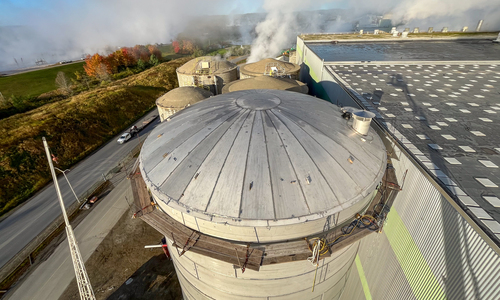
Welding assessments play an essential duty in improving safety and reliability within welding projects, as they systematically identify possible dangers and weak points in welds. By employing certified examiners, organizations can assure that welding procedures stick to sector requirements and regulative needs. This positive method reduces the danger of weld failings, which can cause accidents, costly repair services, and task hold-ups.
Inspections give necessary paperwork that proves conformity and high quality guarantee, cultivating trust fund between stakeholders. Normal analyses during different task stages permit the prompt detection of problems, allowing corrective actions before they intensify. Additionally, the understandings got from examinations add to constant renovation in welding practices, improving general task end results. Ultimately, robust welding examination protocols not only safeguard employees but additionally safeguard financial investments, assuring that tasks are finished efficiently and satisfy the highest possible safety and reliability criteria.
Regularly Asked Inquiries
What Qualifications Should a Welding Inspector Have?
A welding assessor must possess appropriate certifications, such as Qualified Welding Examiner (CWI), in addition to extensive understanding of welding products, codes, and processes. API 650 Welding Inspection. Experience in the field and solid logical abilities are also essential for effective assessments
Exactly How Frequently Should Welding Inspections Be Performed?
Welding examinations should be carried out consistently, normally in the past, during, and after the welding procedure. The regularity may depend on project specifications, regulatory demands, and the complexity of the welds to ensure structural integrity and safety and security.
Can Welding Inspections Be Done From Another Location?
Welding examinations can undoubtedly be done from another location, utilizing innovative modern technologies such as drones, video cameras, and ultrasonic screening tools - API 650 Welding Inspection. This strategy enables effective surveillance while minimizing the demand for physical presence at the website
What Equipment Are Utilized in Welding Inspections?
Welding evaluations use various tools, including ultrasonic testers, magnetic fragment testers, aesthetic assessment devices, radiographic devices, and calipers. Each device serves a details objective to ensure weld honesty, top quality, and conformity with industry standards.
Exactly how Do I Select a Welding Evaluation Solution?

To choose a welding inspection solution, one must review qualifications, experience, and certifications. In addition, assessing client testimonials and asking for thorough solution descriptions can aid assure the selected solution satisfies specific task requirements properly.
By prioritizing welding evaluations, task managers can preserve this website a higher level of this security and performance, inevitably leading to effective job results. Welding evaluations play an important function in boosting safety and integrity within welding tasks, as they methodically recognize prospective threats and weaknesses in welds. A welding inspector ought to have relevant qualifications, such as Licensed Welding Inspector (CWI), along with considerable knowledge of welding procedures, codes, and materials. Welding inspections need to be carried out on a regular basis, typically in the past, during, and after the welding procedure. Welding assessments use different tools, including ultrasonic testers, magnetic fragment testers, aesthetic assessment devices, radiographic tools, and calipers.